 Social wall

 Education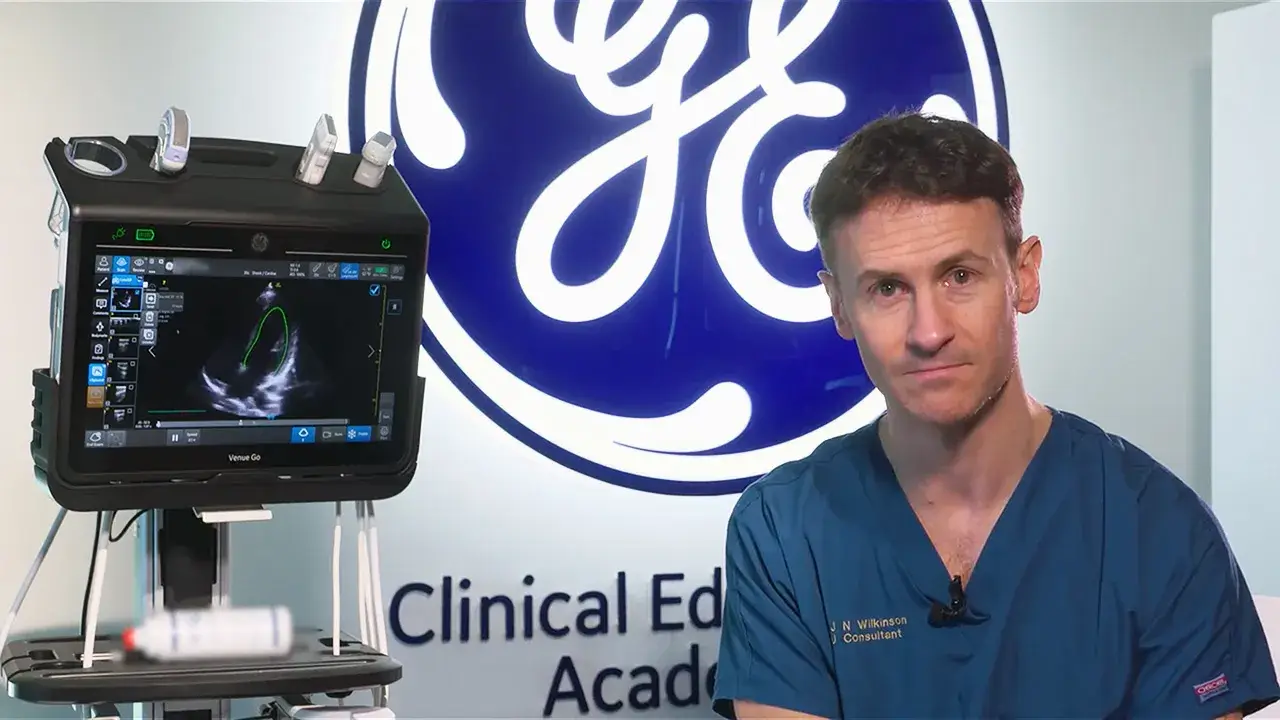
Dr. Wilkinson is an Intensive Care and Anesthesia Specialist Consultant at Northampton General Hospital where he now is involved in leading the intensive Care Unit, providing Consultant led safe anesthesia to elective and trauma patients and attending cardiac arrests, trauma calls and ward based peri-arrest situations. Dr. Wilkinson is an avid user of point of care ultrasound and is heavily involved in point of care ultrasound trainings as a focused intensive care echocardiography mentor. Dr. Wilkinson was an early evaluator participant of the product.
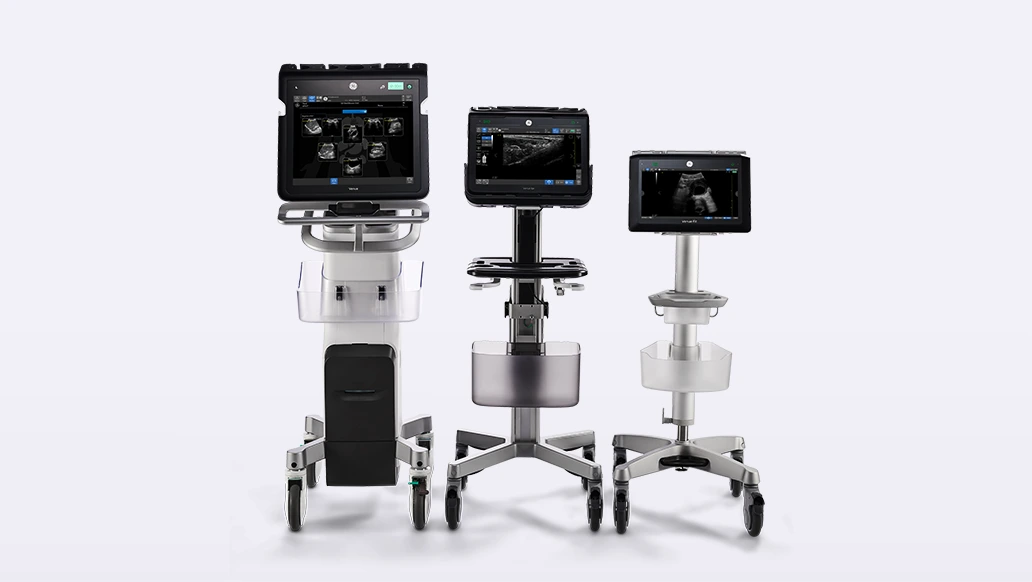
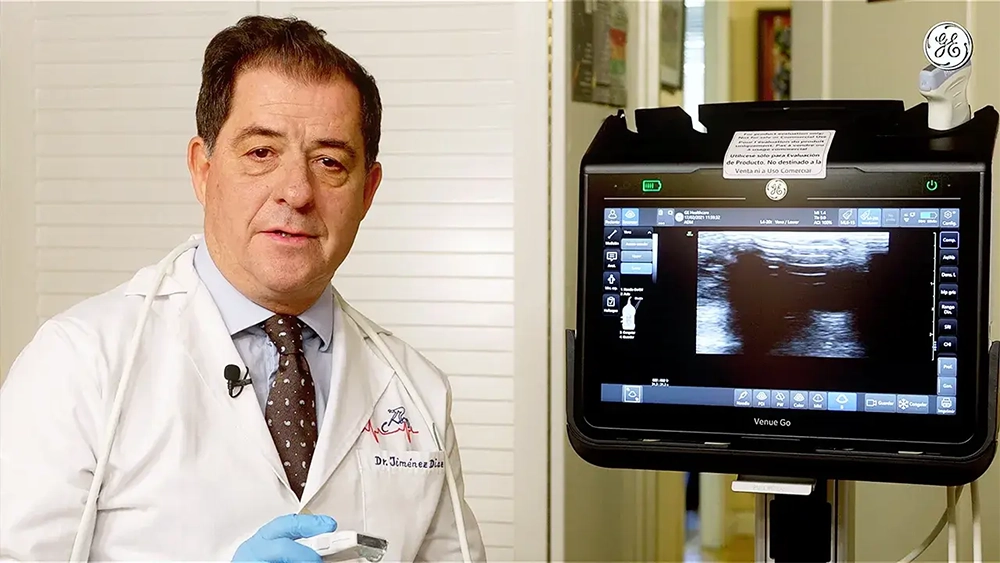
This video shows Dr. Wilkinson discussing the newly released clinical tools on the Venue Family (Venue and Venue Go) and why these Point of Care ultrasound tools help him during his assessment of the ICU patient. He will also demonstrate Lung ultrasound during live-scanning sessions, using the new L4-20t-RS XDClear™ probe.
The first new tool discussed is Lung Sweep including the existing Lung Diagram and B-Lines tool. Dr Wilkinson believes the combination of these tools is going to revolutionize the way he looks to his patients with ultrasound, more particular from the lung ultrasound angle.
The Lung Sweep tool creates a dynamic panoramic view of the lung (Anterior, Lateral, Posterior per left/right side). These views allow 2D coronal and sagittal coverage of the entire lung parenchyma which assists him in the diagnosis of pneumonia.
Real Time Ejection Fraction (Real Time EF) is another new tool to the Venue Family (Venue and Venue Go). Real-Time EF is an AI enabled tool that continuously calculates Real-Time ejection fraction during live scanning in apical 4CH view and allows users to capture instant, precise results. Dr. Wilkinson will demonstrate how the tool works on a live model.
Join us and enjoy listening!
Learn more